Guides
Dress Codes Decoded: Black Tie, Cocktail, Smart Casual and More
Black tie means a long evening gown or a dark suit with a bow tie, cocktail means a knee-length or midi dress or a dressy suit, and smart casual means polished separates without a tie. When an invitation gives no code, dress one step above the most casual guest you expect to see.
An invitation that says "black tie optional" or "smart casual" is written by someone who assumes you already know what it means. Most people do not, and the uncertainty is worse than the dress code itself. This guide defines the common dress codes in plain terms, shows what each one looks like on a real guest, and explains what to do when the invitation is vague.
The codes, from most to least formal
Dress codes are not standardised across countries or venues, so treat these as common meanings rather than legal rules. The hosts' intention, the time of day and the venue matter as much as the words on the card.
- White tie is the most formal evening code. For men, it means a black tailcoat, white waistcoat and white bow tie. For women, a full-length gown. It is rare outside state events and some formal balls.
- Black tie means a dark tuxedo or dinner suit with a black bow tie for men, and a long evening gown or a formal dress for women. It is the usual code for a gala, an awards dinner or a formal wedding in the evening.
- Black tie optional means the host would like you to wear black tie, but a dark suit and tie is acceptable. For women, a cocktail dress is usually fine if it is dressy.
- Cocktail means dressy but not full formal. For women, a knee-length or midi dress, a jumpsuit in a dressy fabric or a smart separates outfit. For men, a dark suit with a tie, or a jacket and trousers if the venue is relaxed.
- Semi-formal is a looser version of cocktail. Dark colours, a dress or a smart top with trousers, and a jacket for men.
- Business attire or business formal means a suit for everyone, with conservative colours and fabrics.
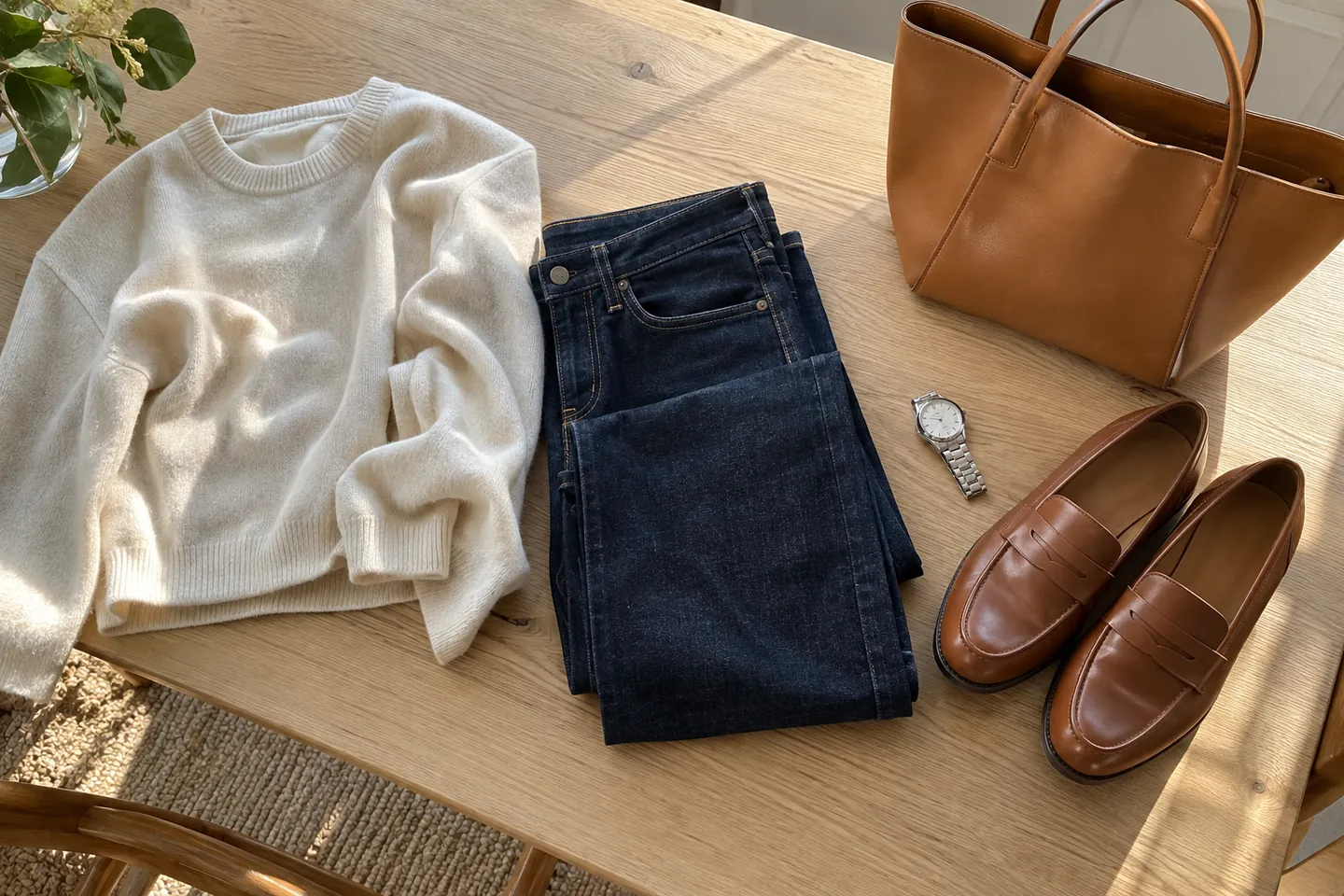
- Smart casual means polished but relaxed: tailored trousers or a skirt, a shirt or a knit, and clean shoes. A jacket helps, but is not always needed. It is not the same as a gym outfit or jeans with a T-shirt.
- Casual or come as you are means what you would wear to a friend's home: comfortable, tidy and clean.
What each code looks like on a guest
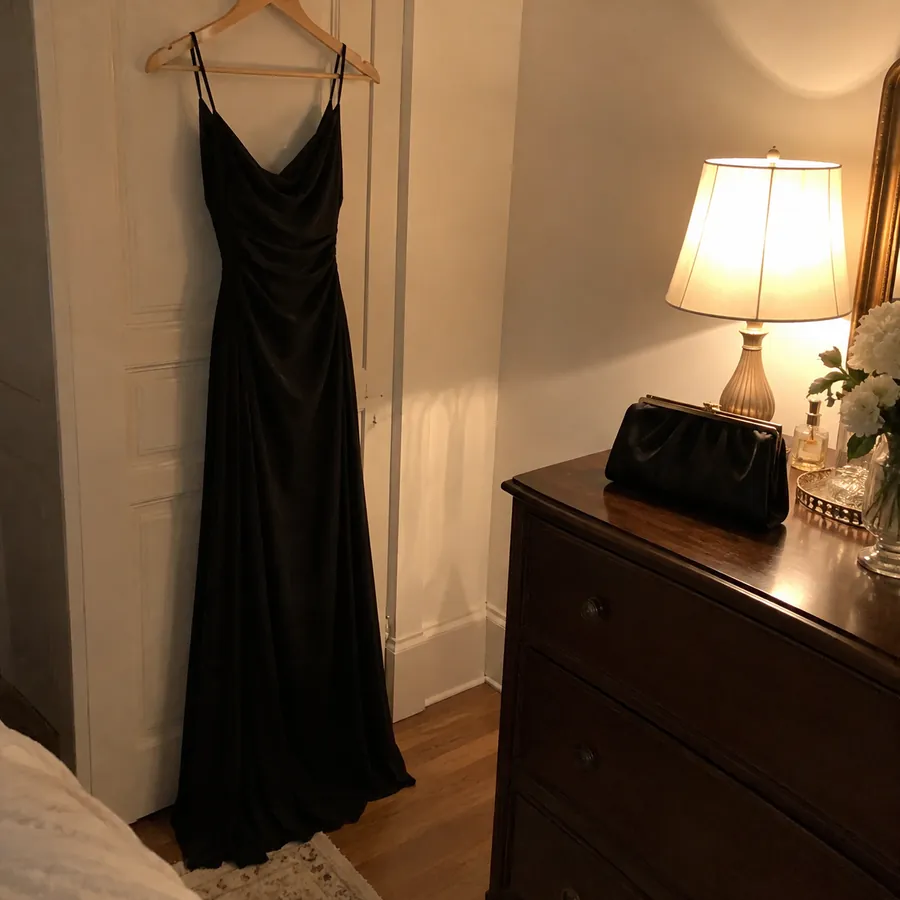
Three outfits cover most situations. A cocktail guest in a midi slip dress and heels is appropriate for a cocktail party, a wedding reception or a dinner. A smart casual guest in tailored trousers, a fine-knit top and loafers works for a lunch, a gallery opening or a restaurant dinner. A black tie guest in a long black gown, or a dark suit with a black bow tie, is correct for a gala or a formal evening.
A jacket changes a smart casual look into a cocktail look without a new outfit. A dark blazer over a silk top with tailored trousers is cocktail-appropriate in many venues. The same jacket with jeans is smart casual at best. The difference is in the fabric, the fit and the shoes, not in the label.
Dress code flashcards
Read the term, reveal the meaning, then move to the next card.
1 / 6
Black tie
Tap reveal to see the definition.
How to decode a vague invitation
When the invitation does not say, look for four clues. The time of day tells you the formality: evening events are more formal than lunches. The venue shows how strict the host will be: a hotel ballroom sets a higher standard than a garden. The season matters too, because summer events are often relaxed even when the card is formal. Finally, look at the words the host uses elsewhere, such as "celebrate" versus "join us for a black tie dinner".
If the clues do not settle it, ask the host or a mutual friend. A short message such as "What is the dress code for the evening?" is normal and appreciated. Do not guess the most formal outfit and turn up overdressed in a room of casual guests, and do not turn up in jeans to a black tie dinner.
Dress for the room, not the card
An invitation tells you what the host expects. The room tells you what the guests will wear. If you arrive at a cocktail event and everyone is in smart casual, you can take off a layer and it will look relaxed. If you arrive at a smart casual event dressed for black tie, you will look out of place, however good the outfit. When in doubt, choose the outfit that can be made more formal with one or two changes, such as a jacket, a scarf or a different pair of shoes.
Bring a small bag with a spare layer, comfortable shoes for walking, and a shawl or wrap for an evening that gets cold. These cost little and let you adjust without changing outfits.
Common mistakes

- Wearing a daytime dress to an evening black tie event because it is the nicest dress you own.
- Assuming "smart casual" means you can wear a suit with trainers. It can work, but the shoes must be clean and smart.
- Choosing a very short dress for a cocktail invitation in a formal venue, such as a hotel ballroom or a historic house.
- Forgetting that "black tie optional" still means the host expects effort.
Frequently asked questions
What does black tie mean for women?
A long evening gown or a formal dress in a dressy fabric. A floor length is the safest choice. Jewellery and a clutch complete the look.
Is cocktail attire the same as cocktail dress?
Mostly, yes. For women, cocktail attire usually means a knee-length or midi dress or a dressy jumpsuit. For men, it means a dark suit with a tie.
Can I wear a suit to a smart casual event?
Yes, a tailored suit is acceptable at most smart casual events if you wear it without a tie or with an open collar. Choose clean leather shoes rather than trainers.
What if the invitation says "dress to impress"?
Choose the most formal option you are comfortable in, usually a cocktail dress or a dark suit. Dress to impress means effort, not a costume.
Dress code meanings follow common etiquette references, including the Emily Post Institute (emilypost.com). Local custom can differ, so check with the host when the invitation is unclear.
Keep reading
 Party
Party Dresses: How to Pick the Right Cut, Length and Fabric
Choose a party dress by occasion, cut, length and fabric. A practical guide with an interactive finder and fit notes for evenings out.
 Guides
Wedding Guest Outfits for Daytime, Evening and Garden Weddings
What to wear to a wedding as a guest: outfits by time of day, venue and season, with a checker that lists what to confirm before you shop.
 Daywear
 Capsule: Nine Pieces That Work From Desk to Dinner
Build a daywear capsule of nine pieces that mix into dozens of outfits. Includes a capsule checklist that counts your possible outfits.