Guides
Dress zipper stuck in fabric: what to check before pulling
Stop pulling a dress zipper when fabric catches. Support the garment, relax the opening and inspect the slider for a visible trapped edge or damage. Try only light movement with visible loose fabric clear; stop if it resists. A split or slipping zipper needs a different assessment.
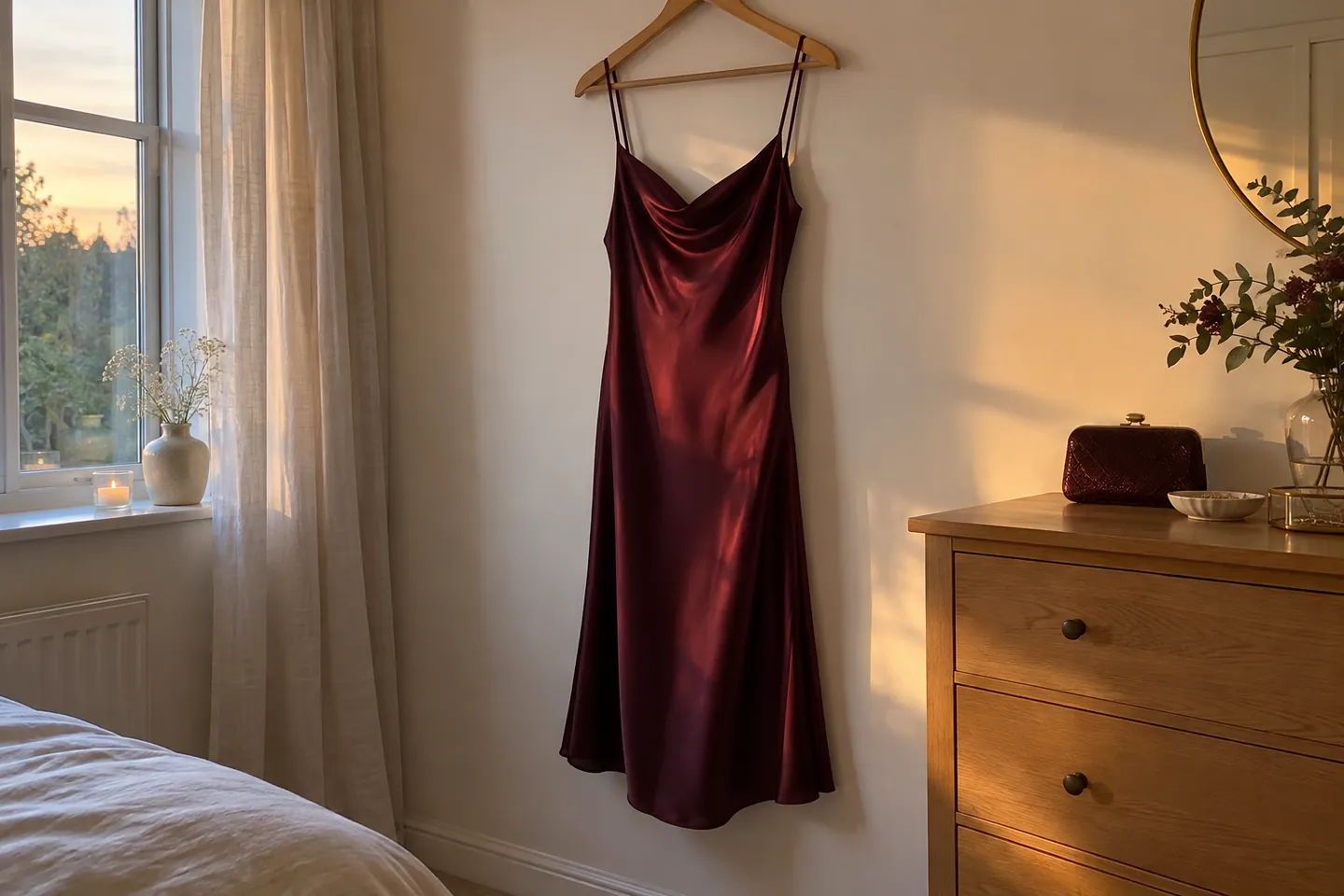
A stalled dress zipper calls for a look at the fastening, not a stronger pull. Fabric can be caught beside the slider, but resistance can also come from tension or damaged parts. This guide helps you decide what to observe and when to leave the closure alone. It is not a replacement or alteration tutorial.
| What happens | What to inspect | Next decision |
|---|---|---|
| Slider stops moving | Visible cloth, thread or tension | Relax and inspect before moving it |
| Chain opens behind the slider | Separation, distortion or damage | Arrange a fastening assessment |
| Closed zipper slides down | Its intended locking action and garment strain | Check its construction; persistent slipping needs assessment |
Is fabric actually caught in the zipper?
A fold entering the slider is a visible clue; a resistant pull tab alone is not proof of a fabric snag. Support the garment on a clean surface when you can remove it comfortably. Inspect the front and reverse without stretching the opening. If you are wearing it, ask a helper to look rather than twisting against the fastening.
Separate the slider, which travels along the chain, from the tape sewn into the dress. A pulled seam next to the tape is a different issue from a loose lining edge caught at the slider. Leave hidden threads in place rather than cutting something whose purpose you cannot identify.
What can you see?
A loose edge entering the slider
Support the dress and remove tension. Consider only light movement with that visible edge clear; stop if it resists or disappears beneath the mechanism.
No obstruction, but the opening is taut
Do not classify this as caught fabric. Compare the relaxed garment with how it sits when worn; a fit or installation assessment may be needed.
Torn tape, separated chain or distorted parts
Leave the fastening alone. Record what is visible for a repair professional rather than testing whether another pull will close it.
What does the manufacturer advise for caught fabric?
YKK's zipper-use guidance warns against forcing a slider across trapped fabric. Its advice supports slow movement while freeing the caught material. Applied to a delicate dress, that means a limited attempt only when you can see and lightly hold the loose edge with the surrounding garment supported.
Ease that visible edge away without pulling the cloth and tab hard against each other. If the slider or fabric will not move lightly, stop. An embellished area, a hidden snag or damaged cloth warrants professional help. Do not pry with a pin or reshape the slider with pliers.
Should you add soap, oil or wax?
Generic zipper lubrication advice is not approval for a particular dress fabric or finish. YKK lists lubrication for some rough-running fasteners, but that does not resolve an unidentified snag. Its processing cautions also explain that chemicals can affect components and surrounding materials.
Keep household products away from an unknown dress while investigating. Check the garment instructions and ask the maker or a qualified repairer about a persistent problem. A liquid that reaches the lining, coating or trim creates another issue to assess; it does not establish that the closure is repaired.
What changes when the dress is being worn?
A zipper that moves on a relaxed garment but resists when worn presents different evidence from one that jams in both situations. Do not force it to prove which cause is responsible. The dress measurement guide helps describe fit separately from the condition of the closure.
What should your next note say?
The visible edge released lightly
Note the location, inspect for pulls or damage, and keep the lining clear. Repeated catching needs assessment; one successful movement is not a reliability test.
The problem changes when worn
Describe both situations to the fitter. Include where the opening becomes taut without assuming that a different size alone will solve it.
The cause remains unclear
Keep the zipper still and photograph the visible area without stretching it. Tell the repairer what happened and what you already tried.
Can a slipping zipper simply be locked?
Some sliders have a lock operated through the pull tab; designs differ. YKK's explanation of locking sliders shows why the tab position matters on particular types. It does not establish one mandatory tab angle for every invisible dress zipper.
Consult the garment or fastening instructions rather than improvising a locking repair. For an event, the party-dress guide and wedding-guest outfit guide help plan a comfortable alternative while the fastening is assessed. A spare outfit is a practical option when an unreliable closure cannot be resolved in time.
Questions about a stuck dress zipper
Does a stuck zipper mean the dress is too small?
Resistance alone cannot establish size. Look for a visible catch or damage and note whether the relaxed garment behaves differently.
Can you keep pulling until the lining comes free?
Force can worsen a catch. Stop when the visible edge or slider will not move lightly.
Is a split chain the same as a jam?
A chain opening behind the slider is a separate symptom. Have the fastening assessed instead of treating it as caught lining.
Should you cut the caught thread?
Leave unidentified threads and seams intact. Cutting can create damage without releasing the actual obstruction.
Should you fasten a hook above the zipper first?
If the garment has a working hook and eye intended for that purpose, follow its dressing arrangement. Do not improvise one as a substitute for a faulty zip.
What information helps a repairer?
The exact location, a clear unstretched photo, whether cloth is visible, and what happens on the relaxed garment. Describe any attempts already made.
Keep reading
PartyParty Dresses: How to Pick the Right Cut, Length and Fabric
Choose a party dress by occasion, cut, length and fabric. A practical guide with an interactive finder and fit notes for evenings out.
 Guides
How to Measure Yourself for Dresses and Jumpsuits
Measure bust, waist, hip and length correctly, then use the size calculator to find the size range to start with for dresses and jumpsuits.
 Guides
Wedding Guest Outfits for Daytime, Evening and Garden Weddings
What to wear to a wedding as a guest: outfits by time of day, venue and season, with a checker that lists what to confirm before you shop.