Guides
Hollow to Hem Measurement: Check the Length Before You Order
Hollow to hem runs from the dip between your collarbones to the intended front hem. Check the seller’s exact method before measuring: barefoot hollow to floor and a finished length in shoes are different instructions.
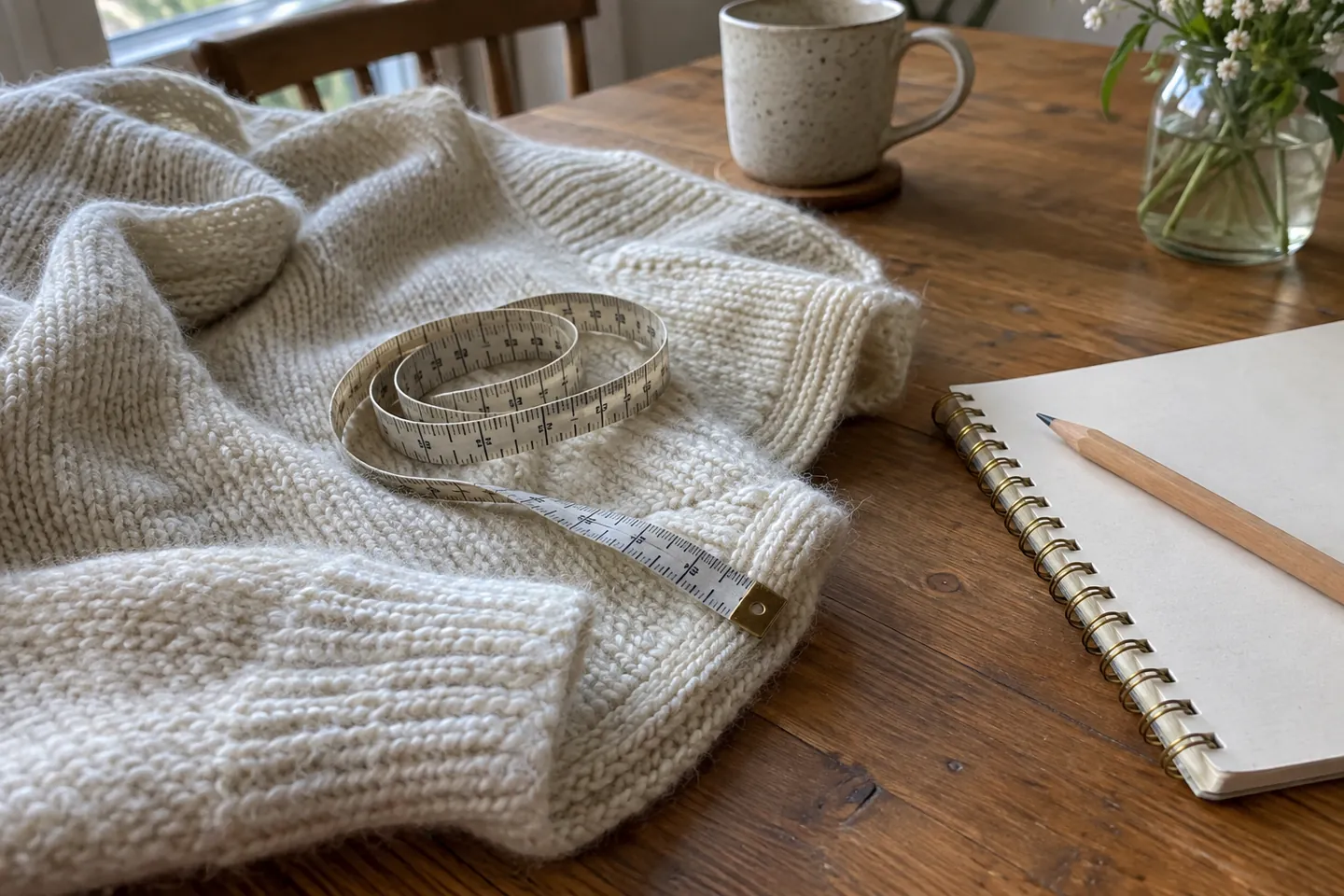
What hollow to hem actually measures
Hollow to hem is the length from the small dip between your collarbones to the intended front hem of a dress. It starts at your body, not at the dress neckline. It helps you compare the length of a formal dress with where you want it to finish. Before measuring, read the seller's instructions: some brands request a barefoot hollow-to-floor measurement and add their own allowance for shoes.
That distinction matters more than a generic height chart. Two people of the same height can have different torso and leg proportions. A listed “midi” or “floor length” describes a style; it does not establish exactly where that dress will fall on you.
First find out what the retailer wants
Open the measurement guide for the exact dress. Look for the starting point, the finishing point, footwear instructions and units. If the listing gives only “length,” ask whether this means hollow to hem, shoulder to hem or a measurement of the garment laid flat. Those numbers are not interchangeable.
David's Bridal's measuring guide describes taking hollow to hem in the intended shoes. Azazie's guide distinguishes barefoot hollow to floor from the finished dress measurement. Follow the relevant brand's current method rather than combining instructions from both.
For a custom order, ask how the maker handles heel allowance. Do not add an extra few inches yourself if the order form already adds them. If the wording is unclear, send the seller your question before submitting measurements.
Take the measurement with a helper
Use a flexible measuring tape, a full-length mirror and the underwear you expect to wear. A friend or a tailor makes this easier; looking down to read the tape can change your posture.
- Stand naturally on a level floor. Let your shoulders relax and keep your head facing forward.
- Find the hollow at the base of the throat, between the collarbones. Use that point even for a strapless or off-shoulder dress.
- Ask your helper to hold the tape at the hollow and follow the seller's specified route down the front. Do not pull it tight or invent a different route around the body.
- End at the required front hem point, or the floor if the guide asks for hollow to floor. Follow its footwear instructions exactly.
- Record the value and units. Note whether you wore shoes, their heel height and the instructions you followed.
- Repeat from the beginning. If the values disagree, check posture, the starting point and the tape route instead of averaging an obvious mistake.
For an expensive or nonreturnable order, a professional measurement is a sensible next step. The measurement still needs to be translated into that particular dress's construction.
Keep these four lengths separate
| Measurement | What it tells you | What it does not tell you |
|---|---|---|
| Hollow to hem | Front length from the throat hollow to the hem | How the bust, waist or hips fit |
| Hollow to floor | Body length to the floor using the requested footwear method | The maker's final heel allowance |
| Shoulder to hem | Length from a specified shoulder point | The same number as hollow to hem |
| Train length | Extension behind the dress | The front hem clearance |
Sydney's Closet explains that its hollow-to-hem figure excludes the train. Confirm that distinction when shopping elsewhere, especially if a listing mixes several length measurements.
Use the number before ordering
Compare your measurement with the exact style's chart, not a chart saved from another brand. Check whether the figure is a body instruction or the finished garment length. Also read the description of layered or asymmetrical hems: the shortest lining and the longest front layer may land differently.
A dress that is too long may be alterable, but lace borders, pleating, beadwork and multiple layers can make shortening more involved. A dress that is too short may offer little spare fabric. Ask about the actual design rather than assuming every hem can move several inches.
For overall fit, use our dress measurement guide. Length is one part of the decision; a suitable hem cannot compensate for a bodice that restricts breathing or movement.
Check again with the finished outfit
Try the dress with its intended shoes and underwear. Walk, turn, sit and use a step if you can do so safely. Check whether the hem catches under a shoe or whether a front opening moves more than expected. Show any problem to the alterations specialist before deciding on the final hem.
An off-shoulder dress needs its own bodice and arm-movement check. A jumpsuit needs torso, rise and inseam measurements instead of a dress-length shortcut.
Questions worth asking the seller
Should I measure in heels?
Use the brand's instructions. If it asks for barefoot hollow to floor and separately asks for heel height, provide both exactly as requested. If it asks for hollow to hem in the intended shoes, use those shoes.
Is my height enough?
Height is useful context, but it does not replace this measurement. Keep the units and method with the number so the seller knows what it represents.
Can a tailor fix the length later?
Often, but not always cheaply or without changing the design. Get an assessment of the actual fabric, layers and hem detail before relying on alterations to make an uncertain order work.
Keep reading
GuidesHow to Measure Yourself for Dresses and Jumpsuits
Measure bust, waist, hip and length correctly, then use the size calculator to find the size range to start with for dresses and jumpsuits.
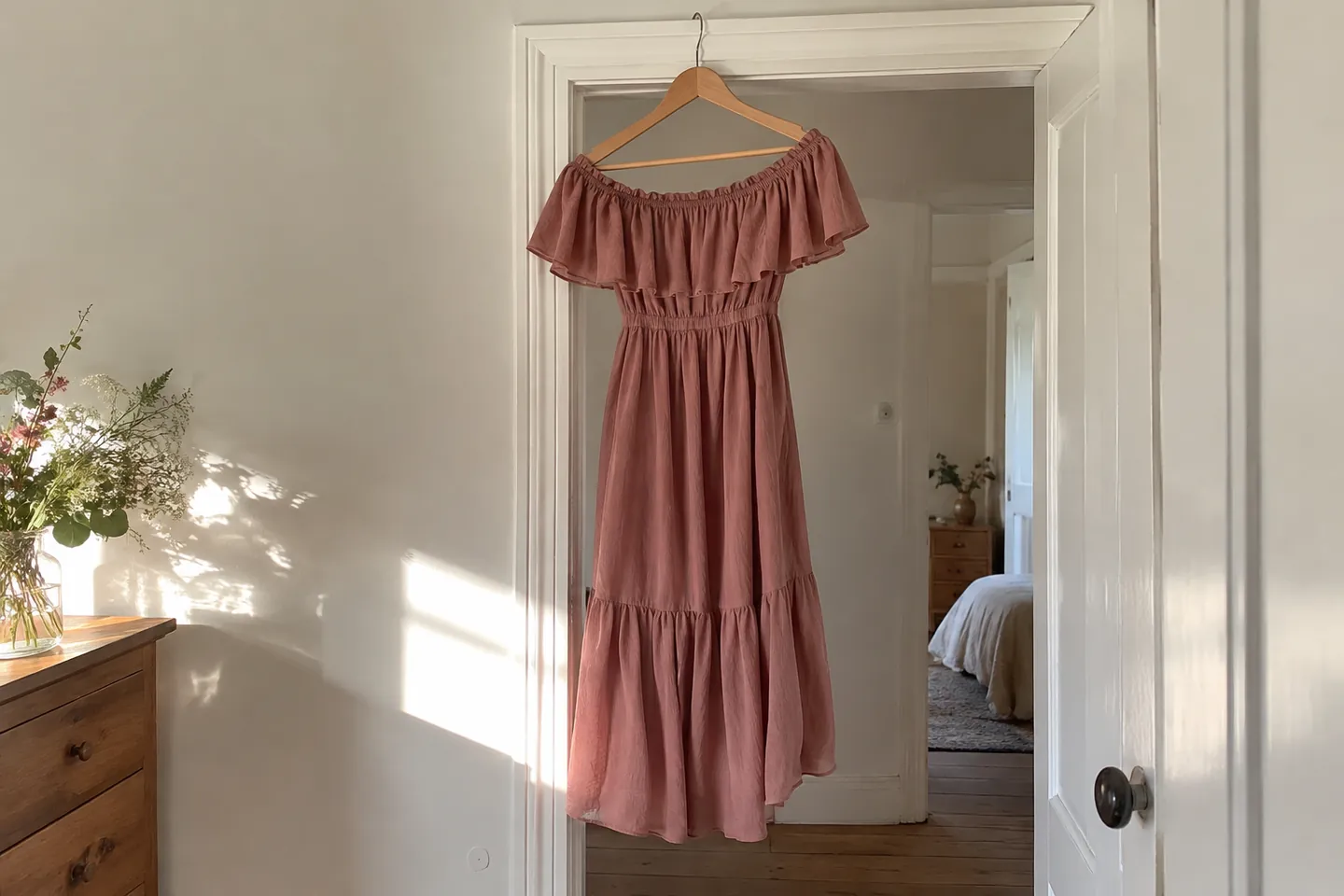 Dresses
Bardot Dresses: Choosing the Neckline, Fit and Occasion
Bardot dresses explained: how the off-shoulder neckline fits, which bodices suit which occasions, and a side-by-side comparison of neckline types.
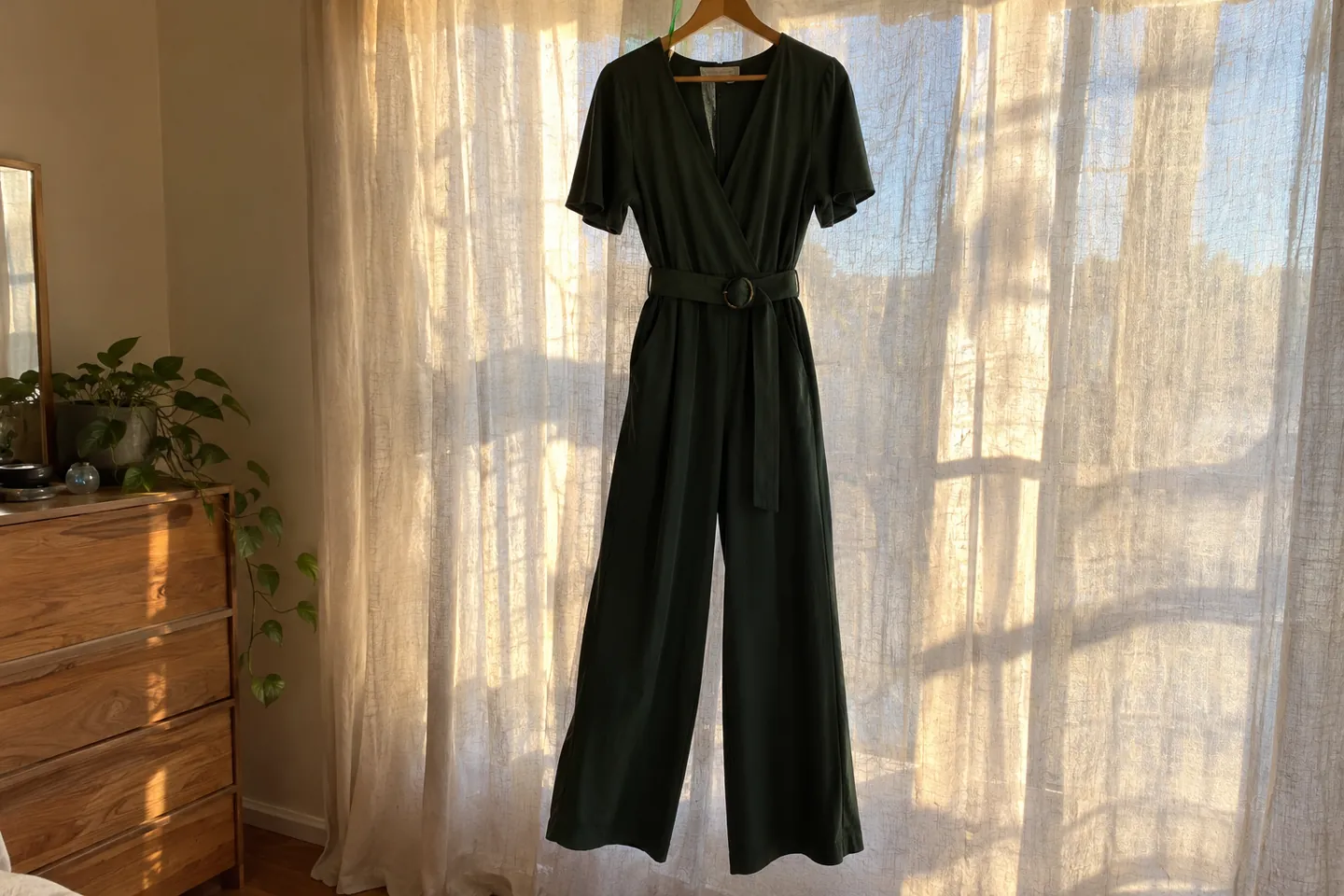 Jumpsuits
 That Fit: How to Choose Rise, Leg Width and Fabric
How to pick a jumpsuit that fits: rise, leg width, fabric drape and waist. Includes a fit checker that suggests the cut for your proportions.