Guides
Horsehair braid in a dress hem: what the mesh does
Horsehair braid is a mesh trim that can give a dress hem support and shape. Modern versions may be synthetic despite the name. Identify its location and the layer it supports before changing it; a visible edge, loose end and length concern need different checks on the actual dress.
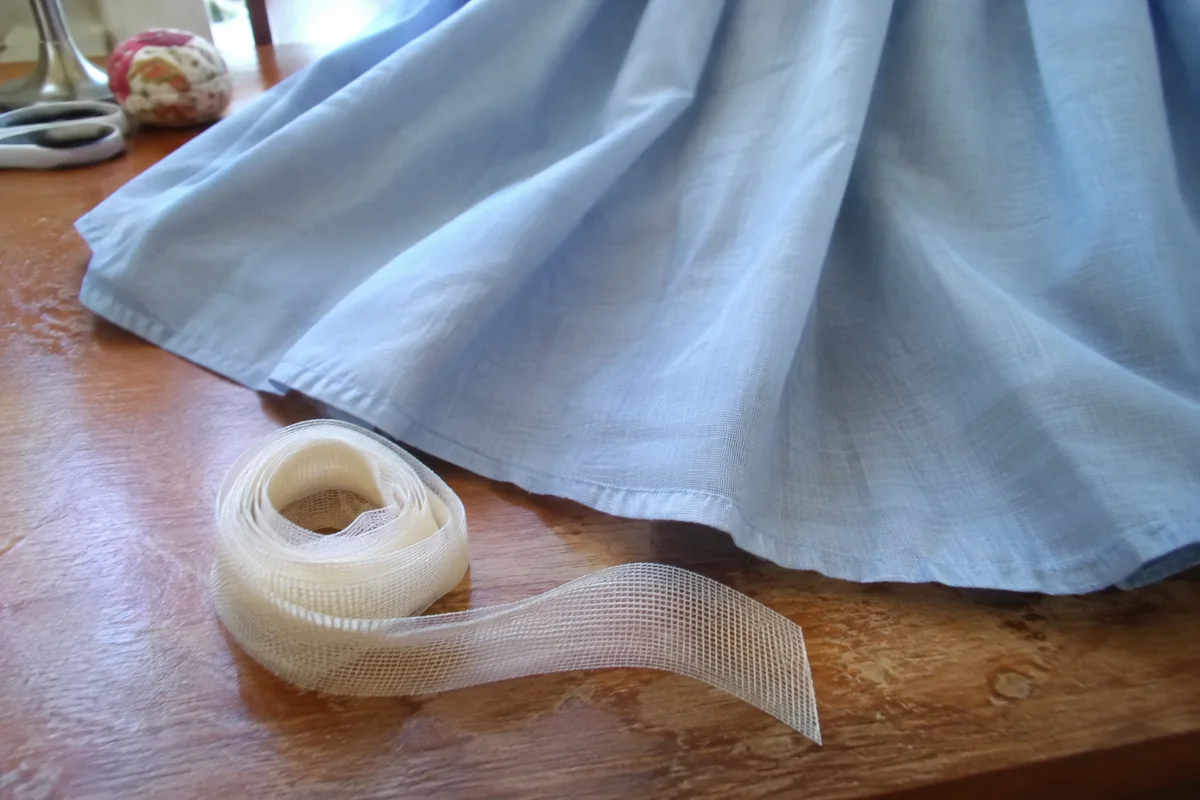
Identify the mesh at the lower edge
Horsehair braid is a mesh trim used to support a garment's shape. In a dress hem, it can help the lower edge hold an outline instead of falling as softly as the fabric would alone. The name does not establish its composition: the American Sewing Guild describes modern versions made with nylon or polyester. Check the actual product information when material matters.
Start by locating the trim. Is it attached around the lower edge, visible through a sheer layer, or sitting loose where stitching has opened? A photograph of mesh does not establish its purpose everywhere in a dress. Keep a whole-skirt view and a supported inside view so the location is clear.
| Observation | Useful next question |
|---|---|
| Mesh at the hem | Is this the intended support or visible finish? |
| Mesh visible through sheer fabric | Does the design show it intentionally? |
| A loose or sharp end | Where did the attachment or end finish open? |
| Hem looks uneven when worn | Which layer and garment state are being assessed? |
Support is part of the design
The OLFA sewing example discusses how the choice of trim changes the support of a hem. Its demonstration uses particular fabrics and constructions. It does not establish that every full skirt needs a stiff edge, or that adding the same trim will reproduce a photograph of another dress.
Decide whether you like the garment's existing movement before planning a change. A soft skirt and a supported edge serve different preferences. Removing a support may change the outline you originally chose; adding one may alter how the fabric hangs. Ask a dressmaker to assess the complete skirt and lining rather than selecting a repair from the name alone.
A sewing tutorial is not a universal alteration instruction
Threads by Caroline demonstrates the technique on specific circle-skirt patterns. That is useful construction context. A purchased dress may have several layers, an existing hem finish or a different fabric, so its accessible seams and alteration sequence need separate assessment.
For a garment you are making, follow its pattern and test the intended trim with a sample of the actual fabric. For a finished dress, retain the construction while identifying the concern. Do not cut mesh out, pull a shaping thread or fuse a loose section with an unknown adhesive as an exploratory test. An inside view is a record, not permission to dismantle the edge.
Record which layer is involved
Support the dress and identify the outer skirt, lining and any additional layers without stretching them. Note which layer carries the trim and whether its attachment is continuous or only partly visible. If an edge has detached, keep the loose piece with the garment and record its original position where you can see it.
A lining peeking below a skirt is a separate observation from a supported outer hem. Our lining-length guide explains how to describe the visible layer. A pleat or slit is another construction feature; do not stitch an opening closed to solve an unrelated trim problem.
Check the outline in the intended outfit
Wear the planned underlayer and shoes, with closures in their normal state. Let the skirt settle, then stand, sit and walk comfortably. Note whether an uneven section appears only during movement or remains when you return to rest. Do not pull the skirt into position for every photograph and then discard the ordinary view.
Keep the skirt-length record tied to its stated starting point and lower edge. A floor-clearance concern does not by itself reveal how much fabric or support can be removed. Any proposed length change needs assessment of the actual hem and all affected layers.
Choose the next check
The mesh is visible but intact
Check the intended design and whether the fabric is sheer. Ask the maker before treating visibility alone as a defect.
An end feels sharp or has come loose
Stop wearing an uncomfortable garment, preserve the loose detail and show its location to the retailer or dressmaker. Do not trim an unknown end by guesswork.
I want a shorter or softer skirt
Describe the desired outline and ask what work the actual layers require. Request a garment-specific scope before committing.
Leave the fitting with a specific scope
Explain whether your concern is comfort, damage, length or a preference for another silhouette. Ask which layers would change, how the trim would be finished and whether the proposed work preserves the movement you want. For a new purchase, settle the return decision before commissioning alterations. A clear assessment is more useful than a promise that one strip of mesh can solve every hem question.
Keep reading
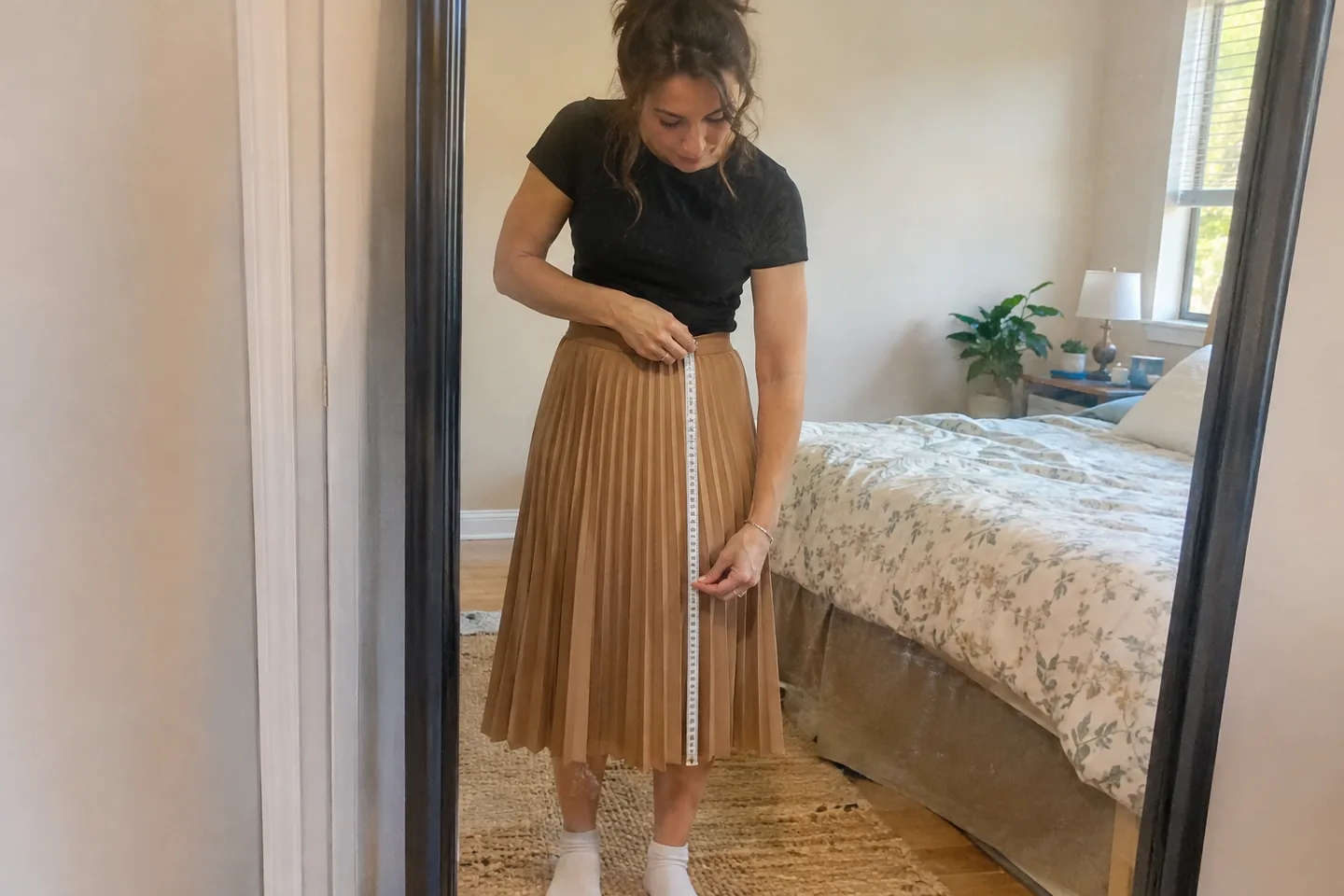 Guides
How to Measure Skirt Length From Waist to Hem
Measure a skirt from waistband to hem, record the front and back separately, and compare a listing without confusing body and garment lengths.
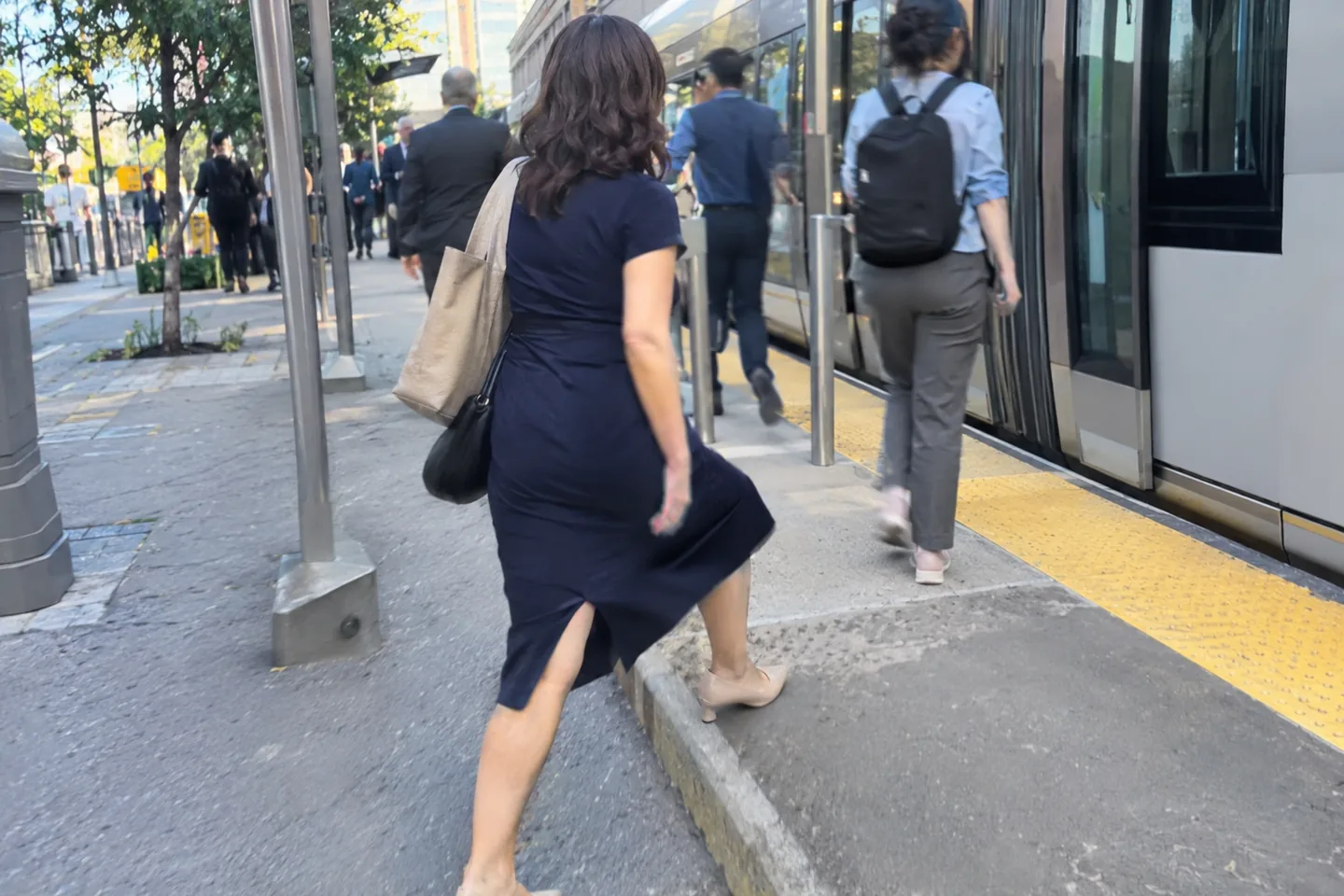 Guides
Kick pleat vs slit: what your dress opening actually does
Identify a dress slit, vent or folded kick pleat, then check normal movement and coverage with two practical decision aids before an event.
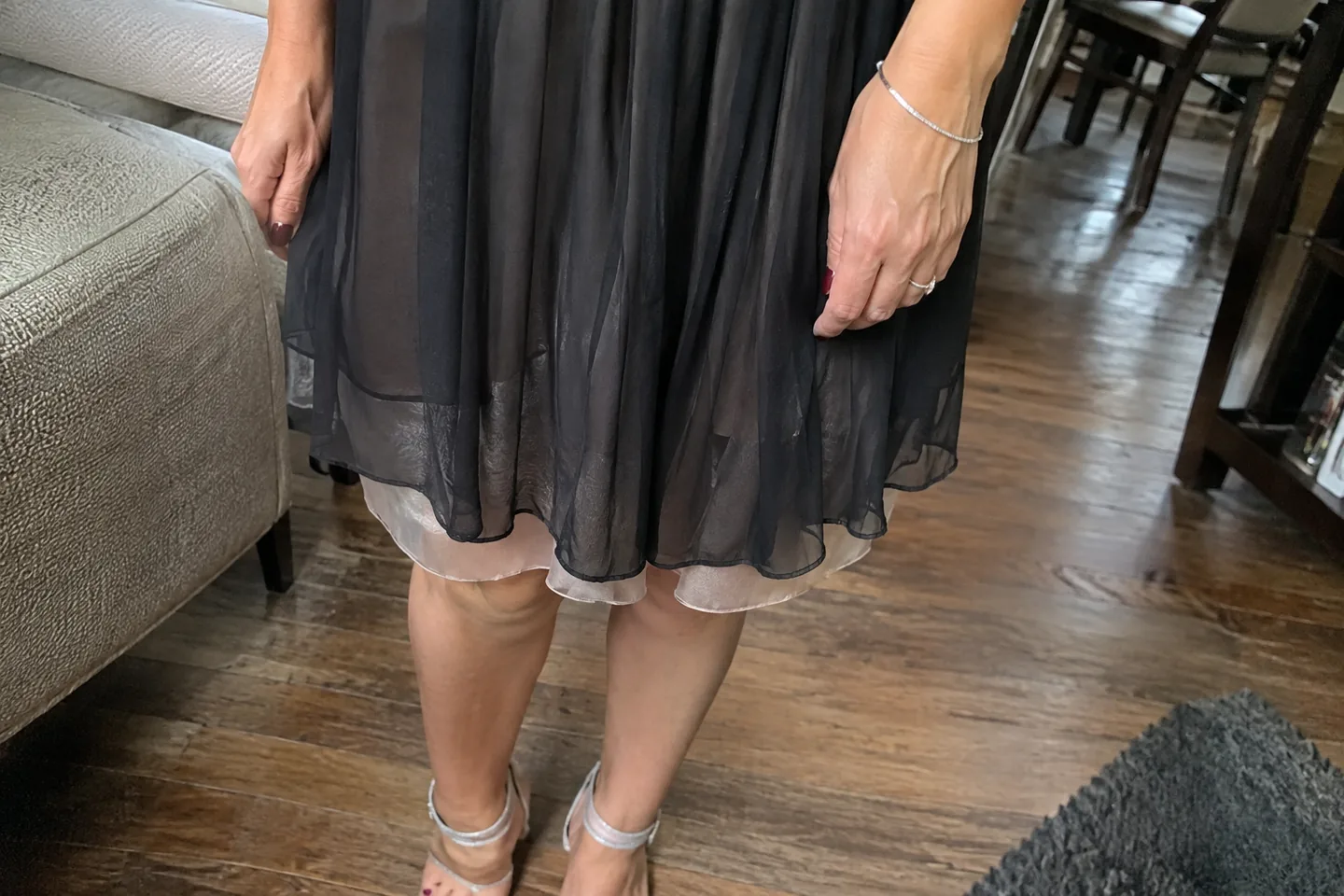 Guides
Dress lining showing below the hem? Check both layers
Identify the layer below your dress hem, check normal movement and prepare a useful fitting request with two local aids and clear layer diagrams.