Guides
Dress waist seam too high: design or fit?
A high dress waist seam may be intentional or signal a fit concern. Check the intended waistline first, then compare matching bodice measurements and normal movement. Record where the dress shifts or feels tight. Seam height alone cannot tell you which size or alteration you need.
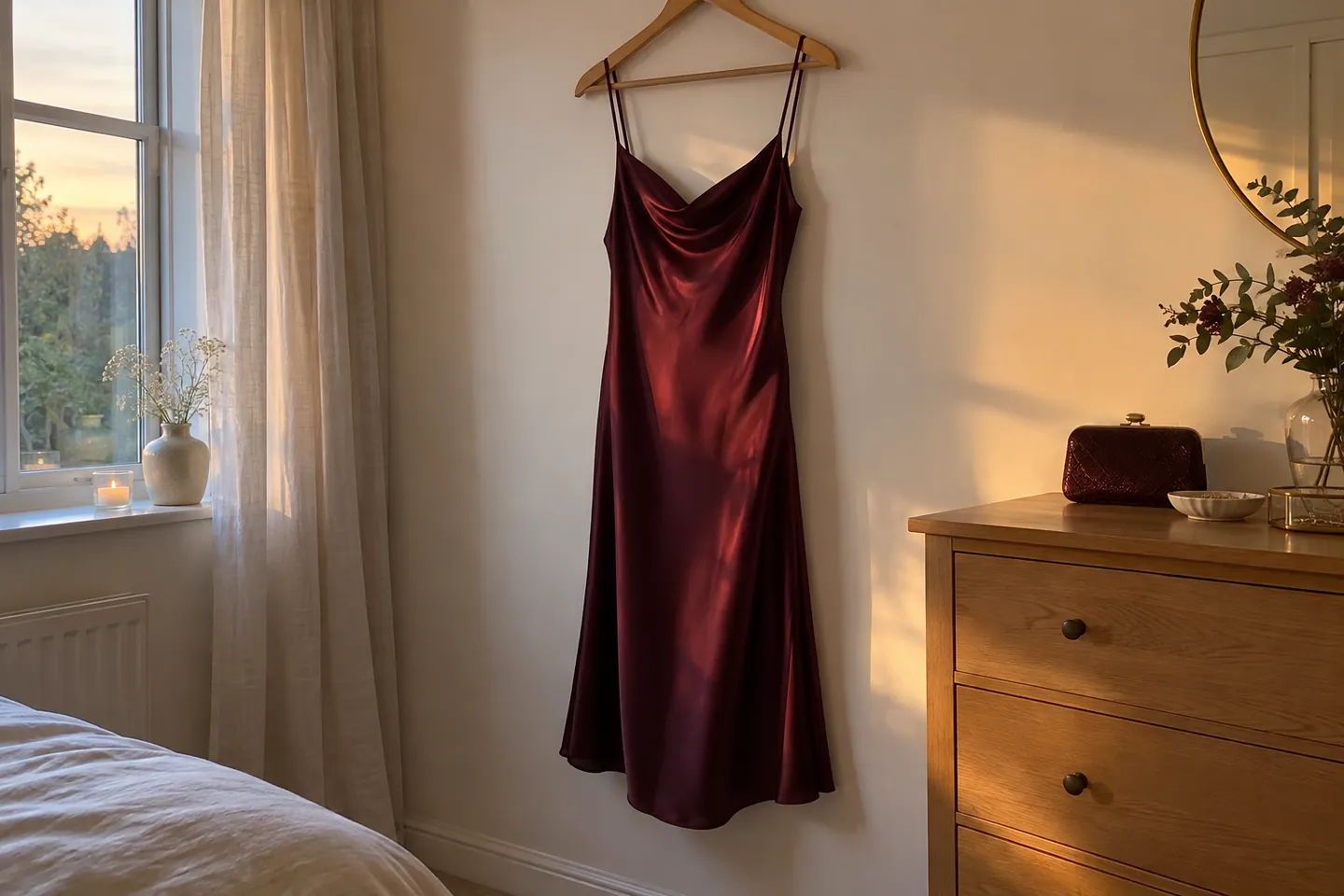
A waist seam sitting above your waist can be a design choice or a fit concern. Those are different questions. Start with the maker's description, then look at how the whole bodice sits when you wear the intended layers. This guide helps you record the difference without prescribing a body shape or an alteration.
| Design | Where to look | Useful next check |
|---|---|---|
| Natural waist | A bodice-to-skirt join intended near the waist | Compare the garment's stated measurement route with your own |
| Raised or empire waist | A join intentionally above the natural waist | Check the described design and comfort at that higher line |
| Dropped waist | A join intentionally below the natural waist | Evaluate that shape rather than moving the join upward by default |
Is the seam meant to sit higher?
Check the product description and clear front and back photographs first. A high horizontal join does not, by itself, mean that a dress is the wrong size. Jovani's waistline guide distinguishes natural, empire and dropped placements. Those labels describe construction; they do not tell every wearer which silhouette to choose.
If the listing says only “fitted waist,” ask where its bodice length begins and ends. A seam beneath the bust and a seam slightly above the waist are not interchangeable measurement references. Keep the seller's wording with the number instead of converting an unfamiliar label into a guaranteed fit.
What does the design evidence say?
The maker explicitly calls it empire or raised
Assess the higher seam as part of that design. Check comfort and coverage rather than trying to place it automatically at your natural waist.
The maker describes a natural-waist dress
Keep that intended placement in your notes. Compare bodice landmarks and movement before deciding which question to take to a fitter.
The description and photographs are unclear
Ask for the measurement endpoints and intended seam placement. Do not infer the missing construction detail from the size label.
Which measurement helps explain the mismatch?
A vertical bodice measurement answers a different question from waist circumference. Use the shoulder-to-waist measurement guide to establish a clear route, and the dress measurement guide for separate circumference records. Doubling a flat waist width cannot reveal where the seam will sit vertically.
For a remote purchase, request the same landmarks from the seller. A shoulder seam, the hollow at the neck and an adjustable strap start are different reference points. Record whether the number describes a person or the garment. A useful comparison depends on matching that method, not simply obtaining another number.
What should you check when wearing the dress?
Look at the complete bodice, not the join in isolation. Note the shoulder position, neckline coverage, side seams and whether the dress stays comfortable while you sit and raise your arms normally. Stop if a fastening needs force. Azazie's formal-dress fit guidance illustrates several symptoms; one symptom is not proof of one cause.
Try the intended underlayers and shoes when relevant, without changing several things between observations. A strap adjustment, a different underlayer and a size change made together obscure what affected the result. Describe what moved and where pressure appeared; leave a diagnosis and alteration proposal to someone who can inspect the actual garment.
Which next step fits your observation?
The seam is high but the intended design feels comfortable
Decide whether you like that silhouette. A higher join alone is not a defect that needs correcting.
The bodice shifts or the opening strains
Record the location and stop forcing the fit. Ask the seller or fitter to assess the complete bodice and return or alteration options.
You need the dress for an approaching event
Ask for a specific assessment and completion date. Keep a ready outfit alternative; a general alteration estimate is not a promise for your dress.
Can a tailor lower the waist seam?
That requires inspection of the construction and available material. A seam allowance, lining, fastening or embellishment can affect what is feasible. Bolodoo's formal-fit overview also separates intended waistline designs; its examples do not establish that every bodice can be lengthened.
Ask what would change, what would remain and what it would cost before authorizing work. For styling an event outfit, the party-dress guide helps keep dress code and comfort in the decision. A belt can change the visual emphasis, but it cannot lengthen a bodice or remove pressure from a tight seam.
Questions about a high dress waist seam
Should every dress seam meet the natural waist?
Raised, empire and dropped waistlines intentionally use different placements. Check the dress's intended design.
Does a high seam mean I need a larger size?
Seam height alone cannot establish size. Compare the intended placement, vertical measurements and complete wearing fit.
Can a belt fix a short bodice?
A belt changes styling. It does not add bodice length or resolve pressure from the construction.
Is shoulder-to-waist the same as hollow-to-waist?
The starting landmarks differ. Compare measurements made along the same clearly described route.
Should I lengthen adjustable straps first?
Use the garment's intended adjustment and check coverage and support. Straps alone may not explain the seam placement.
What should I send a fitter?
The intended design, matched measurement routes and clear notes about movement, coverage and pressure. Ask for an inspection before expecting an alteration.
Keep reading
 Guides
How to Measure Yourself for Dresses and Jumpsuits
Measure bust, waist, hip and length correctly, then use the size calculator to find the size range to start with for dresses and jumpsuits.
GuidesShoulder to Waist Measurement: A Clear Guide for Dresses
Learn where to start and end a shoulder-to-waist measurement, distinguish front and back routes, and ask your dressmaker the right questions.
PartyParty Dresses: How to Pick the Right Cut, Length and Fabric
Choose a party dress by occasion, cut, length and fabric. A practical guide with an interactive finder and fit notes for evenings out.