Guides
Tight dress armholes: find the cause before altering
If your dress arm holes are too small, do not cut them first. Note where the edge presses at rest and during a gentle reach, then check the size, bust shaping, sleeve and lining. A fitter can tell you whether seam allowance or added fabric allows more room, or whether another cut is the better answer.
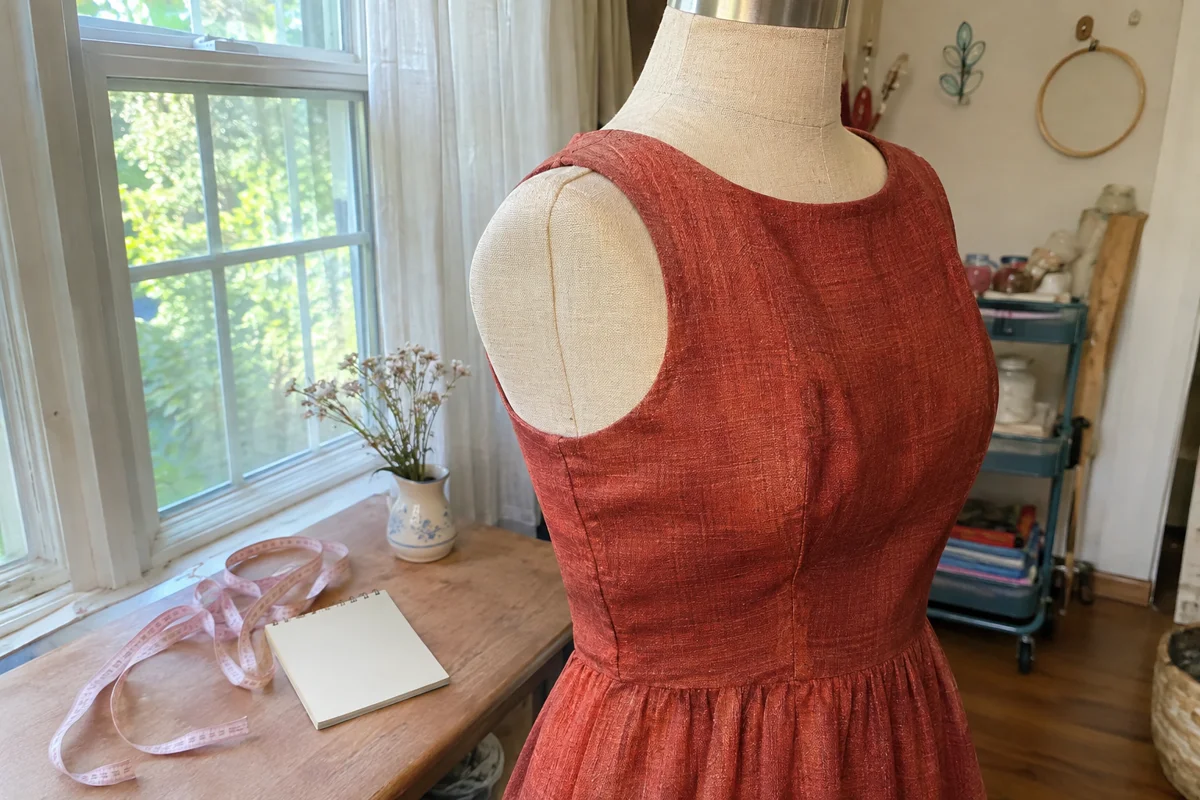
Where exactly does it feel tight?
Put the dress on over the bra or slip you plan to wear, close every fastening and let your arms hang. Notice where you feel pressure before you move. Then reach forward, lift both arms as far as feels comfortable and lower them again. Name the spot: under the arm, at the front where the arm meets the chest, across the back, or on top of the shoulder. Take the dress off if the edge hurts or leaves a deep mark, and do not force a reach that strains a seam.
A dress that is tight only while your arms are raised raises a different question from one that cuts in while you stand still. A sleeve matters too. A set-in sleeve that is narrow at the upper arm can feel like a small armhole even when the opening of the bodice is not the cause.
| What you feel | Possible areas to check | Next step |
|---|---|---|
| Edge digs under the arm at rest | Armhole depth, size, underarm seam | Compare another size; show the spot to a fitter |
| Edge cuts in at the front | Bust room, dart position, length from shoulder to bust | Check the whole bodice before changing the edge |
| Pull across the back on reaching | Back width and sleeve shape | Photograph the back during the same reach |
| Sleeve squeezes the upper arm | Sleeve width and sleeve cap | Record it separately from the bodice opening |
These are places to look, not a diagnosis. Two causes can act at once.
Is the armhole really too small, or does the bodice sit wrong?
A raised or tight underarm can come from somewhere else. In the Folds' armscye lesson lists restricted arm movement and seams cutting into the front of the armpit as signs for a pattern adjustment, and adds that a tight armscye can come from too little length between shoulder and bust. It suggests checking whether the bust darts sit in the right place. That advice concerns sewing patterns, so treat it as a reason to examine the bodice of a finished dress, not as a way to alter it.
Look in a mirror for a dart that points above or below the fullest part of the bust, a waist seam that has climbed, or diagonal lines running toward the underarm. Our princess seams and darts guide helps you name the shaping you see.
Check the layers before blaming the cut
Lining, a facing or an underlayer can take room away. Turn the dress inside out and look at the opening. A lining that is twisted, shorter than the outer fabric or caught in the seam can pull the edge. A bulky bra band or a thick sleeve underneath can do the same. Repeat the reach once with the intended layer arranged flat. Do not trim a lining or cut a facing to test your theory.
Can armholes be made bigger?
Sometimes, but it depends on the cloth that is already there. Making an opening deeper removes fabric at the edge and may shorten the side seam below it. It can change coverage, move the bra into view and require the binding, facing or lining to be rebuilt. A sleeve also has to fit the new opening, so a sleeved dress is a bigger job than a sleeveless one.
Other routes add room instead of removing cloth. Sewguide's overview of tight clothing mentions letting out seams where allowance exists, and adding fabric such as a shoulder panel or a gusset where it does not, with matching fabric a visible concern. Whether any of these suits your dress depends on its seam allowance, fabric, lining and construction. Old needle holes may remain visible after a seam is let out.
Do not cut first. A cut made too deep cannot be put back, and a binding sewn over it does not restore the missing fabric. Ask a dressmaker or tailor to look at the dress on you, and to say what is possible before any work starts.
What should you take to the fitting?
Bring the intended bra or slip and, if the event matters, the shoes. Write a short record so the conversation starts from observations rather than a size label.
| Position | Note |
|---|---|
| Standing, arms down | Where the edge touches or presses |
| Arms forward | Which seam or area pulls |
| Seated, hand to shoulder | Whether the underarm digs in |
| After lowering the arms | Whether the dress settles back unaided |
Ask three questions. How much seam allowance is available at the shoulder and side? What happens to the lining or binding? Would the neckline, bra coverage or sleeve change? If the answers do not suit you, another size or cut may be the better choice. For a new purchase, check the return conditions before any alteration, because altered items may not be accepted.
When ordering again, ask for the finished armhole measurement and how it is taken, and compare it with a dress you move comfortably in. A single number cannot show the armhole's shape. Our dress measurement notes keep body and garment readings apart. If your concern is the opposite, an edge that stands away, use the loose armhole checks.
Keep reading
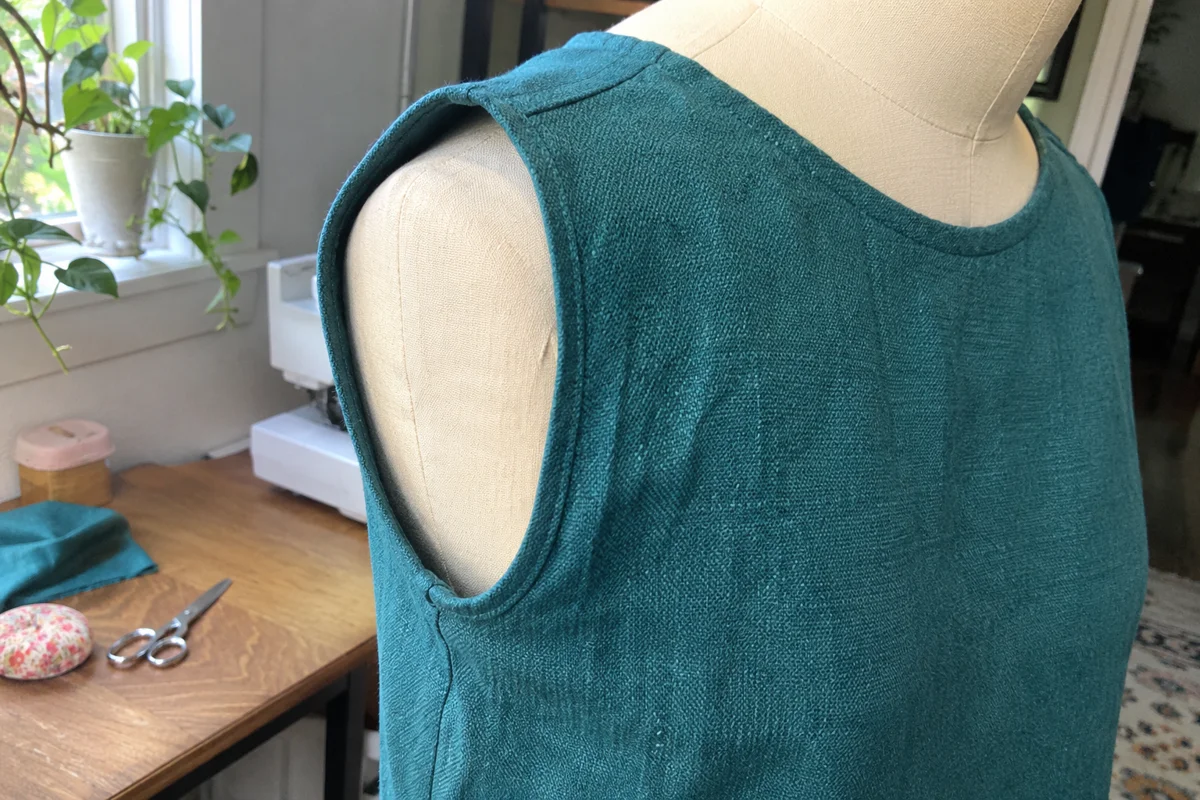 Guides
Assess a loose dress armhole before changing the seams
Dress armhole too big? Separate a long front edge, low opening and loose lining, then record movement before asking for an alteration.
 Guides
How to Measure Yourself for Dresses and Jumpsuits
Measure bust, waist, hip and length correctly, then use the size calculator to find the size range to start with for dresses and jumpsuits.
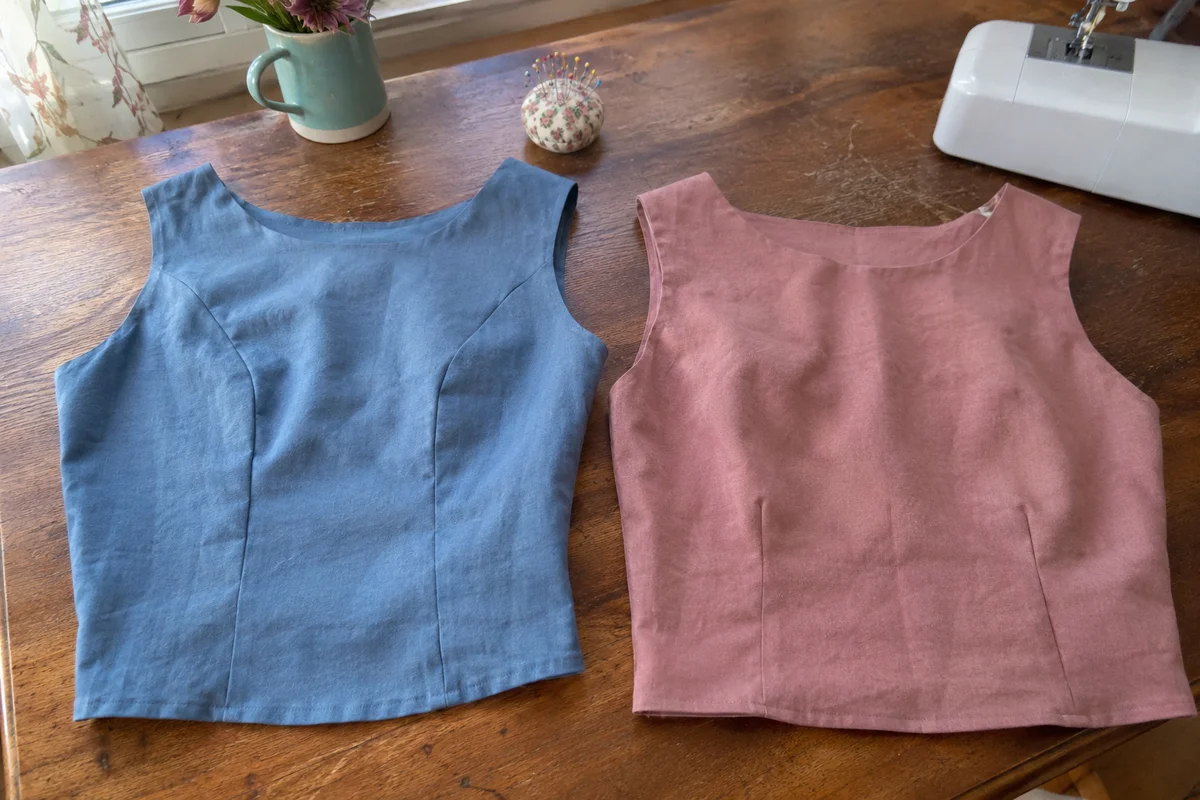 Guides
Princess seams and darts: identify the shaping in a dress
Compare princess seams and darts in a finished dress. Identify shaping lines, separate support details and prepare a clear question for a fitting.